Tiller Shaft maintenance is essential for maximizing productivity at ORATEXCA. We know that every minute of machine downtime in the workshop is a minute lost on the field. That’s why the GK7 series is engineered for ‘Disassembly-Free Maintenance.’ Today we will show you how to remove the tiller shaft quickly and easily without the hassle of taking apart the entire side frame.
1. The Innovation: Disassembly-Free Design
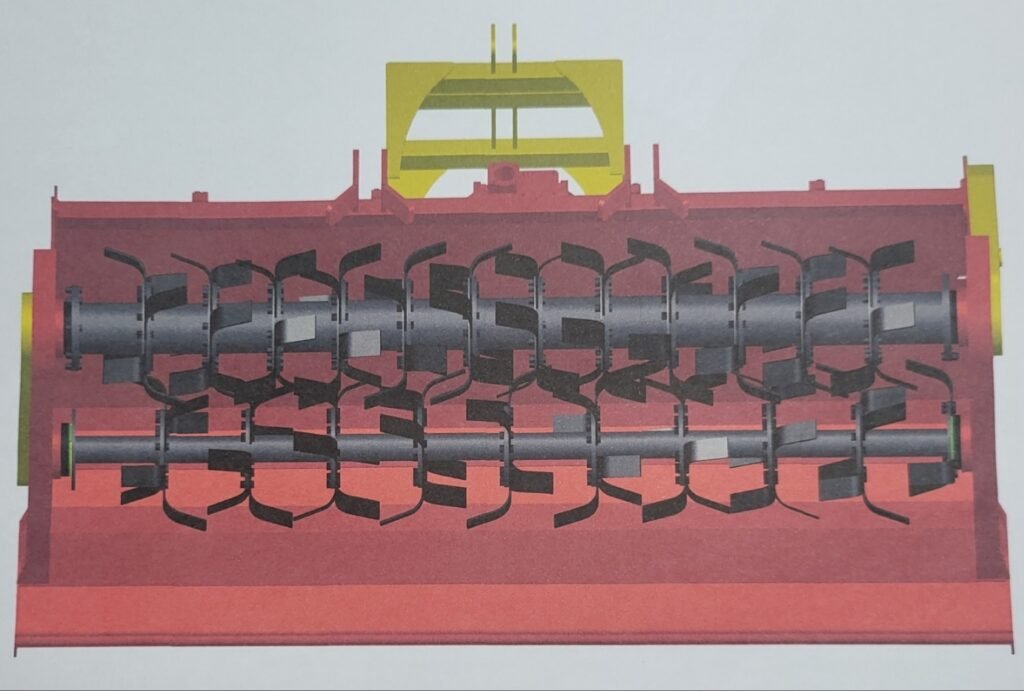
Unlike conventional rotary tillers that require you to take apart the entire side plate unit to access the blades, the GK7 allows for direct tiller shaft removal.
- Time Saving: Reduce maintenance time by up to 70%.
- Safety: Minimizes the risk of damaging hydraulic lines or structural bolts during disassembly.
2. Preparation & Safety First
Before starting, ensure the tractor engine is off and the tiller is securely supported on level ground.
- Tools Needed: Standard wrench set (following KS/JIS metric standards).
- Tip: Use the hydraulic cylinder to lift the rear cover for better access.
3. The Removal Process
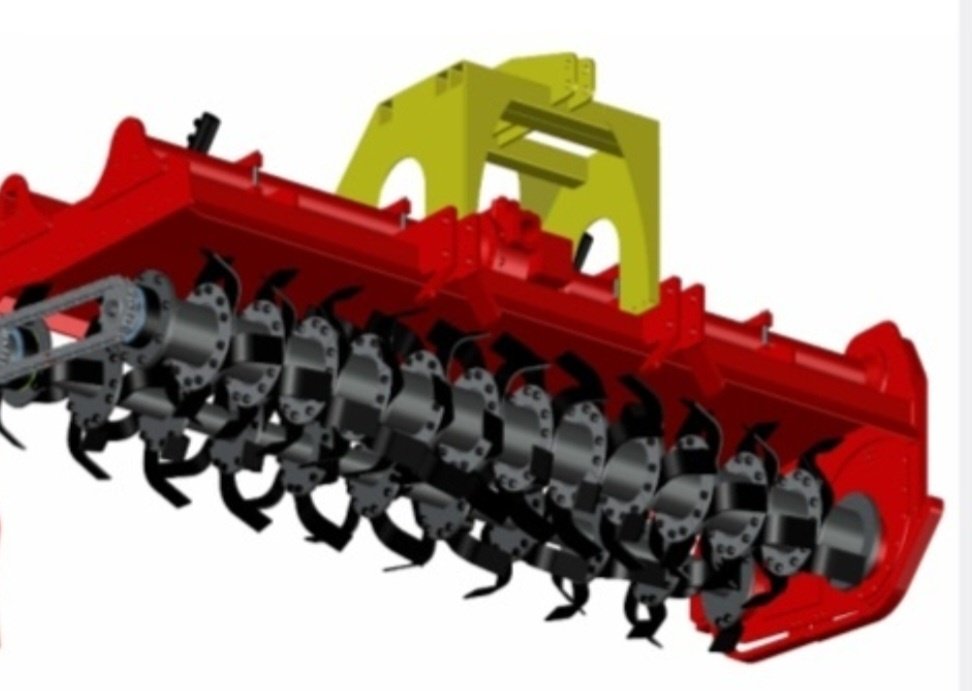
- Step A: Locate the connecting bolts on the bearing housing. Make sure to clean the area around the bolts to prevent debris from entering the housing during the tiller shaft extraction.
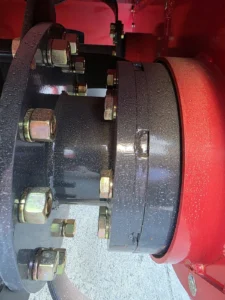
- Step B: Loosen the secure pins on the drive side (Chain Drive #100). Check the condition of the drive chain simultaneously to ensure peak performance of your tiller shaft system.
- Step C: Slide the shaft out directly without touching the main frame or side plates.
4. Why It Matters: Built-in Durability
Our tiller shafts are made from high-strength steel to withstand the vibration of the Dual-Shaft system. By simplifying the removal process, you can perform routine blade inspections more frequently, ensuring your POSCO steel blades always perform at their best..
Maintenance Tips for Longevity
To ensure your Tiller Shaft remains in top condition for years, follow these essential maintenance tips:
- Regular Lubrication: Apply high-quality grease to the bearing housing every 50 hours of operation to reduce friction and heat.
- Bolt Tension Check: Periodically inspect the connecting bolts mentioned in Step A to ensure they haven’t loosened due to field vibrations.
- Debris Removal: After each use, clear away wrapped vines or heavy mud from the tiller shaft to prevent seal damage.
Frequently Asked Questions (FAQ)
- How often should I inspect the tiller shaft? We recommend a quick visual inspection before every shift and a detailed check every month.
- Do I really need to remove the shaft for blade changes? While not always mandatory, removing the tiller shaft as shown in this guide provides better access and ensures a safer working environment.
- What if I hear a grinding noise? Stop operation immediately. This usually indicates a bearing issue within the housing that requires attention before the tiller shaft becomes damaged.
Leave a Reply