Author: won joon Choi

  • How to Extend the Lifespan of Your Tiller Shaft and Blades: 5 Essential Tips

    Tiller Shaft and blade longevity are the most critical factors for reducing operational costs at ORATEXCA. To ensure your equipment performs at its peak throughout the farming season, consistent maintenance is required. In this guide, we will share five professional tips to keep your tiller shaft in top-tier condition.

    1. Daily Cleaning After Use

    Soil and plant debris wrapped around the tiller shaft can cause significant friction and seal wear. Always clear away mud and vines after each shift to prevent long-term damage to the bearing housing.

    2. Proper Lubrication Schedule

    Friction is the enemy of any tiller shaft system. Ensure you apply high-quality grease to the drive side and bearing points every 50 hours of operation. This simple step prevents overheating and metal fatigue.

    3. Inspecting Bolt Tension

    As we discussed in our previous guide, the connecting bolts on the tiller shaft can loosen due to high-frequency vibrations. Regularly check these bolts to ensure the shaft remains perfectly aligned within the frame.

    4. Monitoring Blade Wear

    Worn-out blades put extra strain on the tiller shaft and the tractor’s PTO. Replacing your POSCO steel blades before they become too thin will protect the entire drive system from unnecessary stress.

    5. Off-Season Storage Preparation

    When the season ends, coat the tiller shaft with a thin layer of protective oil to prevent rust. Store the unit on level ground to avoid any structural warping of the side plates or the main frame.
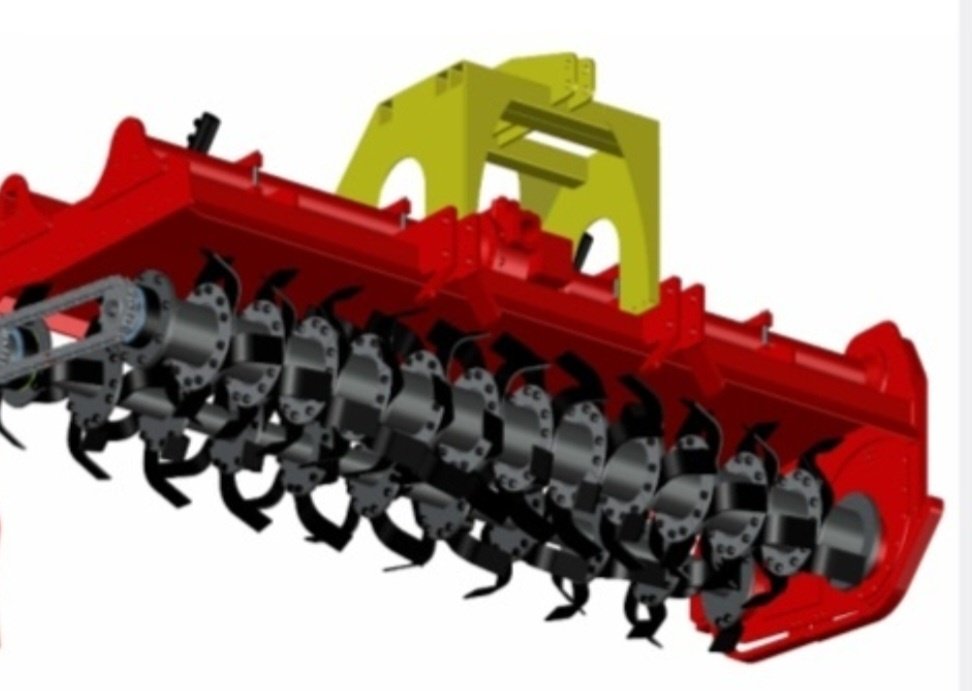
  • Tiller Shaft Maintenance: How to Remove the Shaft Without Disassembling Side Plates

    Tiller Shaft maintenance is essential for maximizing productivity at ORATEXCA. We know that every minute of machine downtime in the workshop is a minute lost on the field. That’s why the GK7 series is engineered for ‘Disassembly-Free Maintenance.’ Today we will show you how to remove the tiller shaft quickly and easily without the hassle of taking apart the entire side frame.

    1. The Innovation: Disassembly-Free Design

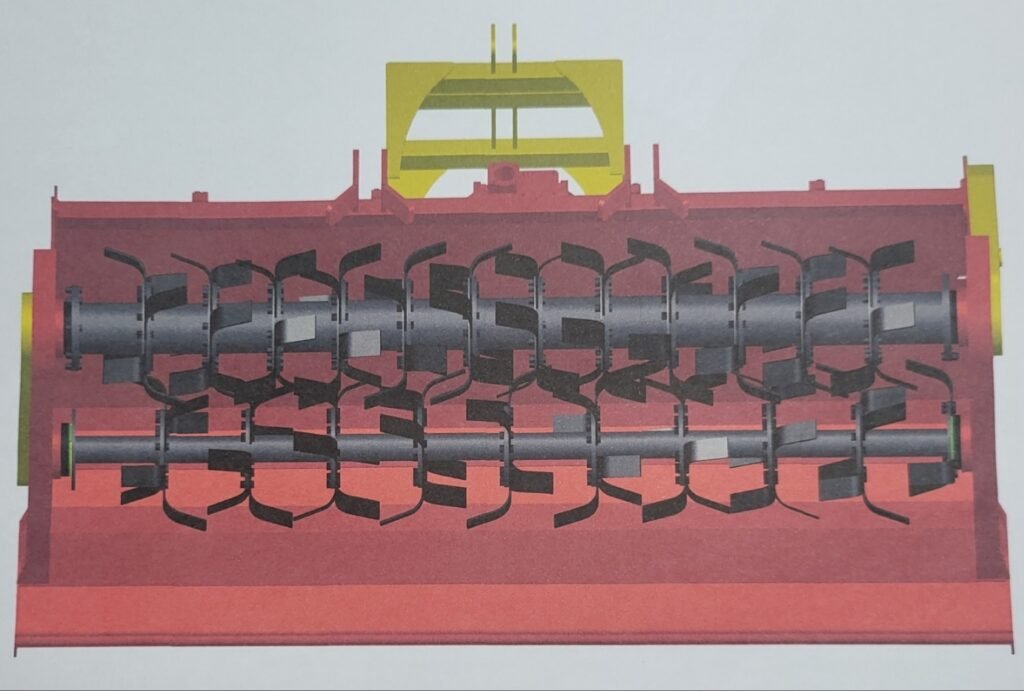
    Internal view of ORATEXCA dual-shaft system

    Unlike conventional rotary tillers that require you to take apart the entire side plate unit to access the blades, the GK7 allows for direct tiller shaft removal.

    • Time Saving: Reduce maintenance time by up to 70%.
    • Safety: Minimizes the risk of damaging hydraulic lines or structural bolts during disassembly.

    2. Preparation & Safety First

    Before starting, ensure the tractor engine is off and the tiller is securely supported on level ground.

    • Tools Needed: Standard wrench set (following KS/JIS metric standards).
    • Tip: Use the hydraulic cylinder to lift the rear cover for better access.

    3. The Removal Process

    Technical diagram of GK7 disassembly-free tiller shaft removal
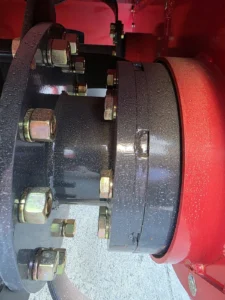
    • Step A: Locate the connecting bolts on the bearing housing. Make sure to clean the area around the bolts to prevent debris from entering the housing during the tiller shaft extraction.
    Connecting bolts on GK7 tiller shaft bearing housing
    • Step B: Loosen the secure pins on the drive side (Chain Drive #100). Check the condition of the drive chain simultaneously to ensure peak performance of your tiller shaft system.
    • Step C: Slide the shaft out directly without touching the main frame or side plates.

    4. Why It Matters: Built-in Durability

    Our tiller shafts are made from high-strength steel to withstand the vibration of the Dual-Shaft system. By simplifying the removal process, you can perform routine blade inspections more frequently, ensuring your POSCO steel blades always perform at their best..

    Maintenance Tips for Longevity

    To ensure your Tiller Shaft remains in top condition for years, follow these essential maintenance tips:

    • Regular Lubrication: Apply high-quality grease to the bearing housing every 50 hours of operation to reduce friction and heat.
    • Bolt Tension Check: Periodically inspect the connecting bolts mentioned in Step A to ensure they haven’t loosened due to field vibrations.
    • Debris Removal: After each use, clear away wrapped vines or heavy mud from the tiller shaft to prevent seal damage.

    Frequently Asked Questions (FAQ)

    • How often should I inspect the tiller shaft? We recommend a quick visual inspection before every shift and a detailed check every month.
    • Do I really need to remove the shaft for blade changes? While not always mandatory, removing the tiller shaft as shown in this guide provides better access and ensures a safer working environment.
    • What if I hear a grinding noise? Stop operation immediately. This usually indicates a bearing issue within the housing that requires attention before the tiller shaft becomes damaged.

  • How to Finish 4 Days of Tillage in Just 2: The Secret of GK7 Dual-Shaft Rotary Tiller

    Agricultural innovation drives our company. At ORATEXCA, we understand that time and efficiency are the most critical factors for modern global farming. Today, we are proud to introduce the world’s first patented solution for high-performance soil preparation: the GK7 Dual-Shaft Rotary Tiller.

    1. Twice the Working Efficiency

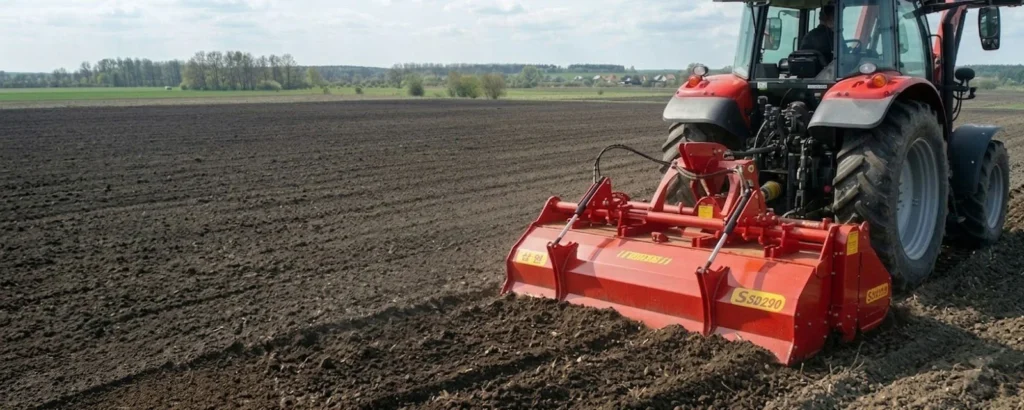
    ORATEXCA GK7 SSD290 Dual-shaft Rotary Tiller saving 50% fuel on the field

    The GK7 is not your average tiller. Thanks to our patented dual-shaft layout, primary and secondary tillage are performed simultaneously.

    • Double the Speed: Work that normally takes four days can now be completed in just two.
    • Superior Soil Pulverization: The dynamic dual-axis structure improves soil quality in a single pass while reducing the load on the tractor.

    2. Up to 50% Fuel Savings

    In an era of high operating costs, the GK7 offers a direct solution to improve your profit margins.

    • Reduced Resistance: The mechanical design minimizes tractor strain, leading to massive fuel economy.
    • Cost-Effective Farming: Help your farm stay competitive by reducing energy consumption by up to 50%.

    3. Built with World-Class Korean Steel (POSCO)

    Durability is the backbone of ORATEXCA. The GK7 main body frame is manufactured using premium steel sourced from global leaders.

    • Premium Materials: We use high-strength steel from POSCO, Hyundai Steel, and Seah Steel.
    • Global Standards: Our structures comply with Korean Industrial Standards (KS) and Japanese Industrial Standards (JIS), ensuring reliability under the most demanding working conditions.

    4. Smart Control and Easy Maintenance

    We listen to the needs of our operators. The GK7 is designed for ease of use and longevity.

    • Hydraulic Precision: Adjust the rear cover height directly from the tractor seat using our spring and hydraulic cylinder unit.
    • Simplified Maintenance: The tiller shaft can be removed for blade replacement without disassembling the entire side plate unit.

    [Technical Specifications]

    ModelTillage Width (cm)Applied Horsepower (ps)Weight (kg)
    SSD245245110 or more1,420
    SSD265265120 or more1,496
    SSD290290130 or more1,504
    (Note: Specifications are subject to change without notice.)

    [Closing]

    The GK7 Dual-shaft Rotary Tiller is the ultimate tool for farmers seeking Unmatched Performance and Maximum Profit. Experience the power of Korean agricultural technology today.

    Contact us for more information:

  • Shipping More for Less: Smart Packing Strategies to Slash Your Logistics Costs

    Implementing smart packing strategies is essential for heavy-duty tractor implements to maximize your ROI.

    1. The Hidden Cost of “Empty Space”

    In the world of international shipping, you don’t just pay for weight; you pay for volume. Especially for heavy-duty tractor implements, shipping “air” inside a container is one of the biggest hidden drains on a dealer’s profit margin. To maximize your ROI, you must look beyond the unit price and focus on Loading Efficiency.

    “Logistics optimization is as important as the quality of the machine itself. Saving space is saving profit.”

    2. SKD (Semi-Knocked Down) Strategy

    Many dealers avoid assembly, but the math is simple: Shipping fully assembled implements often triples your logistics cost.

    • The Benefit: By shipping in SKD format, you can fit up to 3 times more units in a 40ft High Cube container.
    • The Key: Proper SKD requires clear assembly manuals and standardized components to ensure your local technicians can reassemble them quickly.
      For example, when shipping heavy-duty components like the ORATEXCA GK7 series or solid Tiller Shafts, disassembling specific parts can significantly reduce the shipping volume.
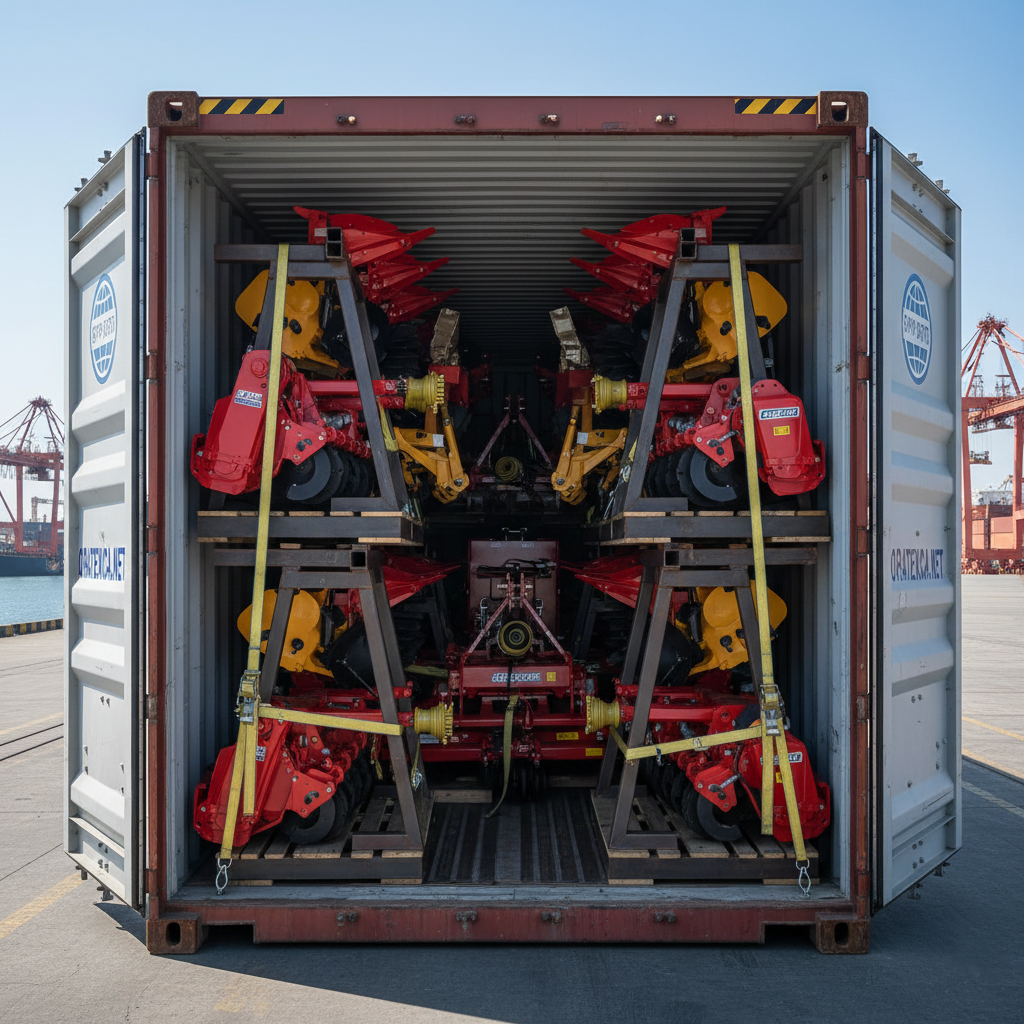
    Efficient container loading for tractor implements - Oratexca

    3. The “Nesting” Technique

    For implements with irregular shapes, like plow blades or buckets, we utilize a technique called Nesting.

    • How it works: Smaller implements are nested inside larger ones, or components are stacked to minimize the total height.
    • Safety First: Professional nesting always includes heavy-duty steel framing and tension straps to prevent shifting and damage during sea transit.

    Learn more about our [Quality Standards for Korean Steel]

    4. Choosing the Right Container: 20ft vs. 40ft HC

    It’s not always about the bigger container.

    • 20ft Container: Best for high-density, heavy items where weight limits are reached before volume.
    • 40ft HC (High Cube): Essential for bulky implements where the extra 1 foot of height allows for double-stacking.

    Conclusion

    Optimizing your logistics is the fastest way to increase your competitiveness in the local market. By mastering these Smart Packing Strategies, you are not just buying equipment; you are securing a sustainable supply chain.